
The Lion, the Witch and the Wardrobe PDF: A Comprehensive Guide
Numerous digital copies, including PDF versions, exist for eager readers seeking access to this classic tale․ Flip PDFs showcase 579 documents,
Understanding the Novel’s Popularity
C․S․ Lewis’s The Lion, the Witch and the Wardrobe maintains enduring popularity due to its captivating blend of fantasy, adventure, and profound allegorical themes․ The story’s accessibility to young readers, coupled with its rich symbolism, has cemented its place as a cornerstone of children’s literature․
The narrative’s exploration of universal concepts—good versus evil, sacrifice, and redemption—resonates deeply with audiences of all ages․ The readily available PDF versions further contribute to its widespread reach, allowing easy access for students, book clubs, and casual readers alike․ The magical world of Narnia, accessed through a seemingly ordinary wardrobe, sparks imagination and invites readers into a realm of wonder․
Its enduring appeal is also linked to the broader Chronicles of Narnia series, fostering a dedicated fanbase eager to revisit this beloved world․
Availability of PDF Versions
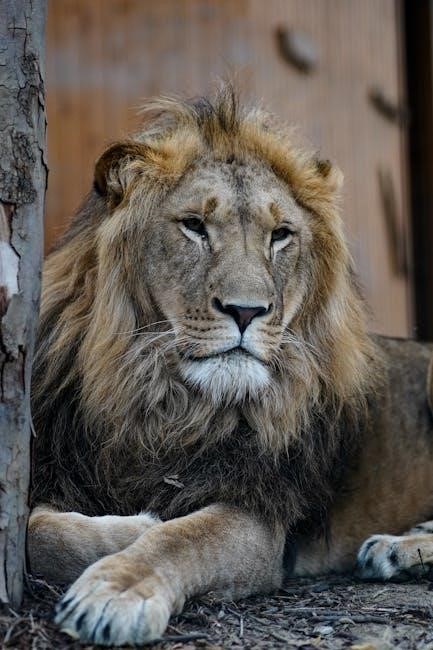
PDF versions of The Lion, the Witch and the Wardrobe are remarkably accessible online, catering to diverse reading preferences․ Platforms like Flip PDF host numerous digitized copies, offering a convenient way to read the novel on various devices․ These PDFs range in source and quality, with some originating from scanned copies of older editions․
Legality of Downloading PDFs
Downloading PDFs of The Lion, the Witch and the Wardrobe from unofficial sources presents legal considerations․ Copyright laws protect C․S․ Lewis’s work, meaning unauthorized distribution and downloading constitute infringement․ While many websites offer free PDFs, these often operate outside legal boundaries, potentially exposing users to risks like malware or legal repercussions․

Legally, obtaining the novel through official channels – purchasing a PDF from authorized retailers or borrowing it from digital libraries – ensures compliance with copyright regulations․ Supporting the author and publisher by acquiring the book legitimately is crucial․ Always verify the source’s legitimacy before downloading to avoid contributing to copyright violations and protect your digital security․

Exploring Different PDF Sources
Readers can locate The Lion, the Witch and the Wardrobe PDFs through publisher websites, online libraries, and various third-party platforms offering digital books․
Official Publisher Websites
Seeking a legitimate and high-quality The Lion, the Witch and the Wardrobe PDF? Starting with the official publisher’s website is paramount․ HarperCollins, the current publisher of the Chronicles of Narnia, often provides excerpts and sometimes offers digital versions for purchase․
While a free, full PDF might not always be available directly, these sites guarantee authentic content, free from malware or corrupted files often found on less reputable sources․ Checking for promotional offers or bundled ebook deals can also lead to affordable access․
Furthermore, official sources ensure you are supporting the author’s work and the publishing industry․ Explore their online bookstores and digital reading platforms for the most reliable and legally sound way to enjoy this beloved classic in PDF format․
Online Libraries and Digital Archives
Several online libraries and digital archives may host digitized copies of The Lion, the Witch and the Wardrobe, potentially including PDF versions․ Internet Archive is a valuable resource, often offering scanned copies of older editions available for borrowing․
However, it’s crucial to verify the copyright status before downloading․ Many older books are in the public domain, but more recent editions remain protected․ Project Gutenberg, while focusing on older works, might have related texts or adaptations․
Always prioritize legal access and respect copyright laws․ These platforms often rely on donations and adhere to legal guidelines, ensuring a safe and ethical reading experience․ Thoroughly check the terms of use before downloading any PDF file․
Third-Party Websites Offering PDFs
Numerous third-party websites claim to offer PDF downloads of The Lion, the Witch and the Wardrobe․ However, exercising extreme caution is paramount when utilizing these sources․ Many may host illegally distributed copies, infringing on copyright laws and potentially exposing users to malware or viruses․
These sites often lack quality control, resulting in poorly formatted or incomplete files․ Furthermore, downloading from unauthorized sources supports piracy and undermines the author and publisher’s rights․ It’s strongly advised to avoid such websites and prioritize legitimate avenues for obtaining the book․
Always verify the website’s reputation and security before proceeding, and consider the legal and ethical implications of downloading copyrighted material without proper authorization․

Formats Available Beyond PDF
EPUB and Kindle Formats
EPUB and Kindle formats offer exceptional portability and readability for The Lion, the Witch and the Wardrobe enthusiasts․ EPUB, a widely supported open standard, dynamically adjusts text to fit various screen sizes, enhancing the reading experience on e-readers and tablets․
Kindle versions, specifically designed for Amazon devices, provide seamless integration with the Kindle ecosystem, including features like adjustable font sizes, built-in dictionaries, and Whispersync technology for synchronized reading across devices․ These digital formats are often preferred for their convenience and space-saving benefits compared to physical books․
Both EPUB and Kindle editions maintain the integrity of C․S․ Lewis’s storytelling, allowing readers to immerse themselves in Narnia regardless of their preferred reading platform․ They represent accessible alternatives to the PDF format, catering to diverse digital reading habits․
MOBI, an older e-book format primarily associated with Kindle devices, provides a streamlined reading experience with features like bookmarks and annotations․ While increasingly superseded by newer formats like AZW3, MOBI remains compatible with many e-readers․
These options, alongside PDF, EPUB, and Kindle, demonstrate the widespread availability of C․S․ Lewis’s classic in various digital forms, ensuring accessibility for a broad audience with diverse reading preferences and devices․
Audiobook Versions
Beyond textual formats like PDF, EPUB, and MOBI, The Lion, the Witch and the Wardrobe is widely available as an audiobook․ This format offers a unique way to engage with the story, allowing listeners to immerse themselves in Narnia through narration and sound effects․
Audiobooks are perfect for commutes, exercise, or simply relaxing, providing an accessible option for those who prefer auditory learning or have visual impairments․ Multiple narrations exist, each offering a distinct interpretation of the characters and atmosphere․
Listeners can find audiobook versions through various platforms, including Audible, Spotify, and other digital retailers․ This expands the accessibility of the beloved tale, catering to diverse preferences and lifestyles, complementing the digital text options․

Key Characters and Their Roles
Central figures like Lucy, Edmund, and the White Witch drive the narrative, each playing a pivotal role in Narnia’s fate and the unfolding adventure․
Lucy Pevensie: The First Explorer
Lucy, the youngest of the Pevensie siblings, embodies innocence and courage as the first to stumble upon the magical world of Narnia․ Her initial exploration through the wardrobe, described in Chapter One, marks the beginning of their extraordinary journey․
Driven by curiosity, Lucy bravely ventures into the snowy landscape and encounters Mr․ Tumnus, a Faun, initiating her understanding of Narnia’s enchantment and the looming threat of the White Witch․ Despite skepticism from her siblings, Lucy steadfastly believes in her experience, demonstrating remarkable faith and resilience․
Her unwavering belief in Narnia and its inhabitants proves crucial, ultimately paving the way for her siblings to accept the reality of this wondrous realm․ Lucy’s pure heart and open mind make her a vital component in the fight against the White Witch and the restoration of Narnia’s rightful king, Aslan․
Edmund Pevensie: The Tempted Brother
Edmund, the second youngest Pevensie, represents the vulnerability to temptation and the struggle against inner darkness․ Initially skeptical of Lucy’s claims about Narnia, he follows her into the wardrobe and quickly falls prey to the White Witch’s manipulative charm․
The Witch exploits Edmund’s desires, offering him Turkish Delight and promises of power, ultimately leading him to betray his siblings․ His actions stem from selfishness and a longing for recognition, making him a complex and flawed character․
However, Edmund’s journey isn’t solely defined by his initial betrayal․ Through Aslan’s sacrifice and the subsequent events, he experiences remorse and undergoes a profound redemption․ His eventual allegiance to Aslan and participation in the battle for Narnia demonstrate his capacity for growth and the power of forgiveness․
The White Witch: Jadis, the Antagonist
Jadis, the White Witch, embodies the forces of evil and oppression in Narnia․ A powerful and ruthless sorceress, she has plunged the land into a perpetual winter, ruling with an iron fist and suppressing all opposition․ Her origins lie beyond Narnia, adding to her sense of alien cruelty․
She delights in manipulating others, as seen with Edmund, exploiting their weaknesses to further her own agenda․ Jadis’s power stems from ancient magic and a deep-seated hatred for Narnia and its rightful heir․ She fears Aslan’s return, recognizing him as the only one capable of breaking her hold on the land․
Her character represents the dangers of unchecked power and the seductive nature of evil․ Ultimately, Jadis’s reign is challenged by the arrival of the Pevensie children and the majestic Aslan, leading to a climactic battle for the fate of Narnia․

Synopsis of the Story
Four siblings discover Narnia through a magical wardrobe, encountering a land under the White Witch’s icy spell, awaiting the arrival of the noble lion, Aslan․
The Discovery of Narnia Through the Wardrobe
The story’s enchanting beginning centers around Lucy Pevensie, the youngest sibling, who stumbles upon Narnia quite by accident․ While exploring her new home during wartime evacuation, she ventures into an old wardrobe and unexpectedly steps into a snowy forest․ This isn’t just any forest; it’s the magical realm of Narnia, a land shrouded in perpetual winter due to the White Witch’s cruel enchantment․
Initially, Lucy’s siblings dismiss her tale as a fanciful imagination, but she persists in sharing her incredible experience․ Later, Edmund follows Lucy into the wardrobe and encounters the White Witch, who tempts him with Turkish Delight and promises of power․ This initial discovery sets in motion the entire narrative, drawing all four Pevensie children into the conflict between good and evil that defines Narnia’s fate․ The wardrobe serves as the pivotal gateway, forever changing their lives․

The Reign of the White Witch
Jadis, the White Witch, holds Narnia in a relentless grip of winter, a consequence of an ancient prophecy foretelling her downfall․ For one hundred years, she has ruled with an iron fist, suppressing any hope of spring and joy․ Her power stems from dark magic and a cruel heart, ensuring the land remains perpetually frozen and its inhabitants live in fear․
The Witch’s reign is characterized by oppression and the silencing of any who oppose her․ She has outlawed the very mention of Aslan, the true king of Narnia, and punishes those who dare to believe in his return․ Her manipulative nature is evident in her temptation of Edmund, exploiting his vulnerabilities to gain a foothold in the unfolding conflict․ The land’s suffering directly reflects her malevolent control, awaiting the prophesied arrival of liberation․
Aslan’s Arrival and the Battle for Narnia
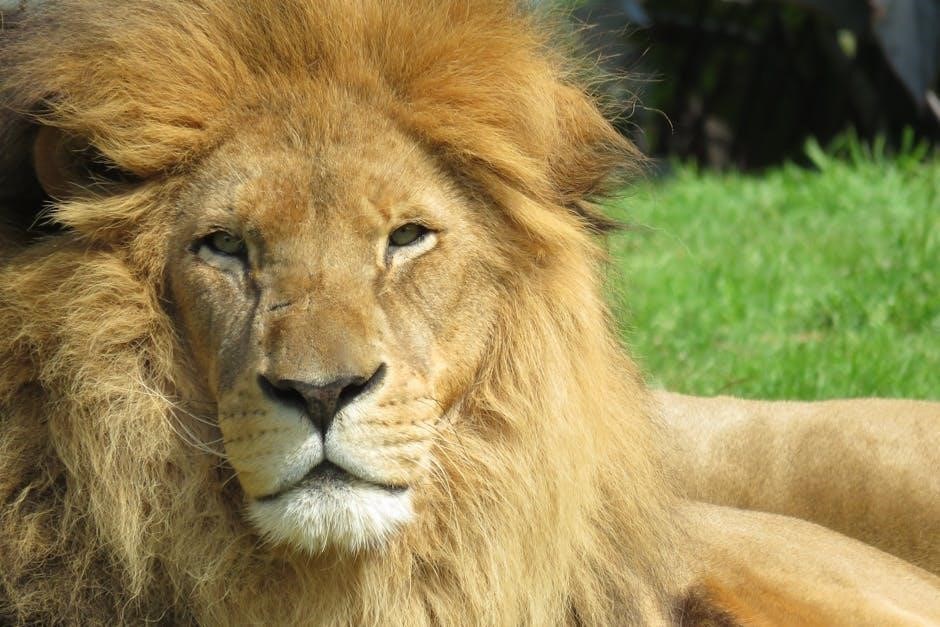
The arrival of Aslan, the Great Lion, signals a turning point, bringing hope to a Narnia long shrouded in the White Witch’s icy grip․ His presence embodies goodness and power, drawing creatures loyal to him from across the land․ Aslan’s purpose is to fulfill the ancient prophecy and break the Witch’s hold, restoring spring and freedom to Narnia․
A climactic battle ensues, pitting Aslan’s forces against the Witch’s army of mythical beasts and creatures․ Despite initial setbacks and Edmund’s betrayal, Aslan’s strategic brilliance and the courage of the Pevensie children prove pivotal․ The conflict culminates in a decisive confrontation between Aslan and the White Witch, ultimately leading to her defeat and the liberation of Narnia from eternal winter․ This victory heralds a new era of peace and prosperity․
Themes Present in the Novel
Central themes explore the eternal struggle between good and evil, the power of sacrifice for redemption, and the importance of unwavering faith and belief in a higher power․
Good vs․ Evil
The core conflict in The Lion, the Witch and the Wardrobe revolves around the stark contrast between good and evil, embodied by Aslan and the White Witch, Jadis․ The Witch’s perpetual winter symbolizes her oppressive and cruel reign, a world devoid of warmth and joy, representing absolute evil․
Aslan, on the other hand, represents ultimate goodness, sacrifice, and divine power․ His arrival signals the potential for restoration and liberation․ The narrative meticulously portrays how evil corrupts and manipulates, as seen through Edmund’s temptation and betrayal․
Ultimately, the battle for Narnia isn’t merely a physical conflict but a spiritual one, highlighting the enduring power of good to overcome evil, even through self-sacrifice and unwavering belief․ The story emphasizes that even in the darkest times, hope and goodness can prevail․
Sacrifice and Redemption
A central theme within The Lion, the Witch and the Wardrobe is the profound concept of sacrifice, most powerfully demonstrated by Aslan’s willingness to offer himself to the White Witch to save Edmund․ This act embodies selfless love and the ultimate sacrifice for the redemption of another․
Edmund’s journey exemplifies redemption; his initial betrayal, driven by the Witch’s temptations, is followed by remorse and a desire for forgiveness․ Aslan’s sacrifice creates the opportunity for Edmund’s transformation and eventual acceptance back into the fold․
The narrative suggests that even those who stray from the path of goodness can find redemption through acknowledging their mistakes and embracing forgiveness․ This theme resonates deeply, illustrating the power of grace and the possibility of renewal․
Faith and Belief
Throughout The Lion, the Witch and the Wardrobe, faith and belief are presented as crucial elements in navigating the world of Narnia and experiencing its magic․ Lucy’s unwavering belief in Narnia, even when doubted by her siblings, is pivotal in opening their eyes to its reality․
The children’s growing faith in Aslan, despite his mysterious nature, allows them to understand his plan and accept his sacrifice․ This parallels religious faith, requiring trust in a higher power even when understanding is limited․
The novel subtly explores the power of belief to shape reality, suggesting that a strong faith can unlock hidden truths and provide strength in times of adversity․ Ultimately, faith is portrayed as essential for experiencing the fullness of Narnia’s wonders․
Historical Context and Publication Details
Published in 1950, C․S․ Lewis’s work reflects post-war England, blending mythology and Christian allegory․ PDF versions facilitate modern access to this timeless classic․
C․S․ Lewis and the Inspiration Behind Narnia
Clive Staples Lewis, profoundly influenced by his childhood, mythology, and Christian faith, crafted the enchanting world of Narnia․ His experiences during World War II also shaped the novel’s themes of good versus evil and sacrifice․ The readily available PDF versions of The Lion, the Witch and the Wardrobe allow modern readers to explore these influences․
Lewis drew inspiration from various sources, including Norse mythology, Greek myths, and traditional fairy tales․ The character of Aslan, for instance, is often seen as a Christ-like figure, embodying themes of redemption and divine power․ The accessibility of the story through PDF formats ensures continued engagement with these complex layers of meaning․
Furthermore, Lewis’s academic background in literature deeply informed his writing style and narrative structure․ The enduring popularity of the book, and its widespread availability as a PDF, speaks to the power of his storytelling and the universality of its themes․
Original Publication Date and Editions
The Lion, the Witch and the Wardrobe was first published in 1950 by Geoffrey Bles in London․ It marked the first book published in The Chronicles of Narnia series, quickly captivating readers with its magical world․ Numerous editions have followed, catering to diverse audiences and preferences․
Today, accessing the story is easier than ever, with readily available PDF versions circulating online․ These digital editions offer convenience for readers on various devices․ Early editions featured illustrations that enhanced the immersive experience, and these are sometimes replicated in digital formats, including certain PDF scans․
The book’s enduring appeal has led to countless reprints and translations, solidifying its place as a beloved classic․ The proliferation of PDF copies demonstrates its continued relevance and accessibility for generations of readers worldwide, ensuring the story’s legacy endures․
The Chronicles of Narnia Series Overview
The Lion, the Witch and the Wardrobe is the foundational installment in C․S․ Lewis’s seven-book Chronicles of Narnia series․ Published between 1950 and 1956, the series follows the adventures of children who discover the magical world of Narnia through various portals, including the iconic wardrobe․
Each book explores different facets of Narnia’s history and mythology, building upon the themes introduced in the first novel․ While PDF versions of The Lion, the Witch and the Wardrobe are widely accessible, the entire series is also available in digital formats, offering a complete immersive experience․
The series’ chronological order differs from its publication order, adding another layer of exploration for dedicated fans․ Accessing the series through PDF or other digital means allows readers to delve into the rich tapestry of Narnia at their own pace, discovering the interconnected narratives and enduring themes․