
Kumihimo Instructions PDF: A Comprehensive Guide
Discover detailed Kumihimo guides! Learn bracelet creation with a disk‚ embroidery thread‚ and scissors‚ following step-by-step instructions for knotting and braiding techniques.
What is Kumihimo?
Kumihimo‚ translating to “gathered threads‚” is a traditional Japanese braiding technique. It’s an ancient craft resulting in stunning‚ intricate cords and braids. Historically used for samurai armor and sword wrappings‚ Kumihimo has evolved into a popular form of jewelry making and crafting.
The process involves meticulously interlacing strands of thread – often silk‚ but embroidery floss is a common substitute – using specialized tools. While traditionally done with a marudai (a large‚ floor-standing loom)‚ modern Kumihimo frequently utilizes smaller‚ handheld disks. These disks simplify the braiding process‚ making it accessible to beginners.
Creating Kumihimo isn’t just about the final product; it’s a meditative and rewarding experience. The rhythmic movements and focus required offer a calming creative outlet. The resulting braids can be used for bracelets‚ necklaces‚ lanyards‚ and various decorative elements.
History and Origins of Kumihimo
Kumihimo’s roots trace back to the Nara period (710-794 AD) in Japan‚ initially arriving from China. However‚ it quickly blossomed into a uniquely Japanese art form. Early applications were primarily functional – securing samurai armor‚ crafting sword hilts‚ and adorning ceremonial items. These braids weren’t merely decorative; they were integral to the warrior’s protection and status.
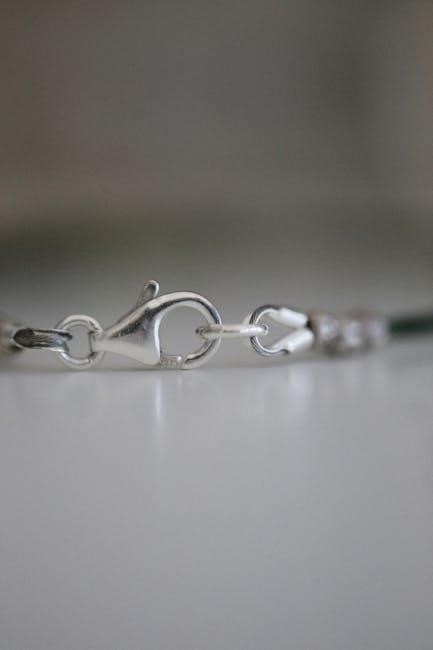
During the Edo period (1603-1868)‚ Kumihimo flourished‚ becoming highly refined and diversified. Specialized guilds emerged‚ each mastering specific braiding techniques and patterns. The craft transitioned from solely military applications to include elaborate kimono cords and ornamental ties.
Over centuries‚ Kumihimo remained a closely guarded secret within these guilds. Today‚ the tradition continues‚ with artisans preserving ancient techniques alongside innovative modern designs‚ making it a vibrant and evolving art form.
Kumihimo Tools and Materials
Essential tools for Kumihimo braiding include a Kumihimo disk‚ available in various sizes and materials. These disks feature slots to hold your threads‚ guiding the braiding process. Scissors are crucial for precise thread cutting‚ while a tapestry needle aids in weaving in ends. A weight can be attached to the braid to maintain tension.
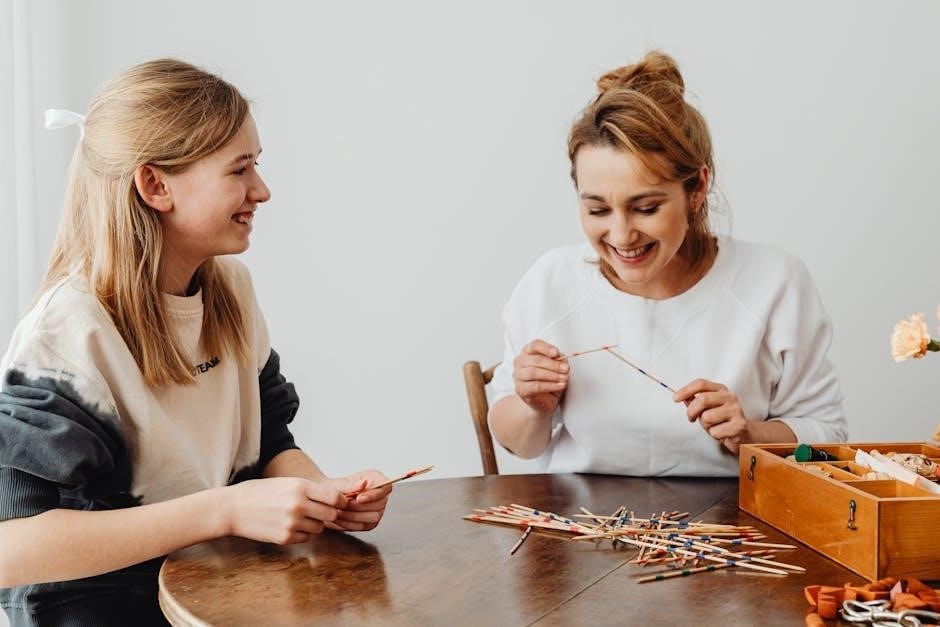
Thread selection is key. Embroidery floss is a popular‚ affordable choice for beginners‚ offering a wide color palette. Silk thread provides a luxurious sheen and traditional feel. Beyond thread‚ beads and end caps add embellishment and finishing touches to your projects.
Understanding these materials and their uses is fundamental to successfully following Kumihimo instructions and creating beautiful‚ intricate braids.
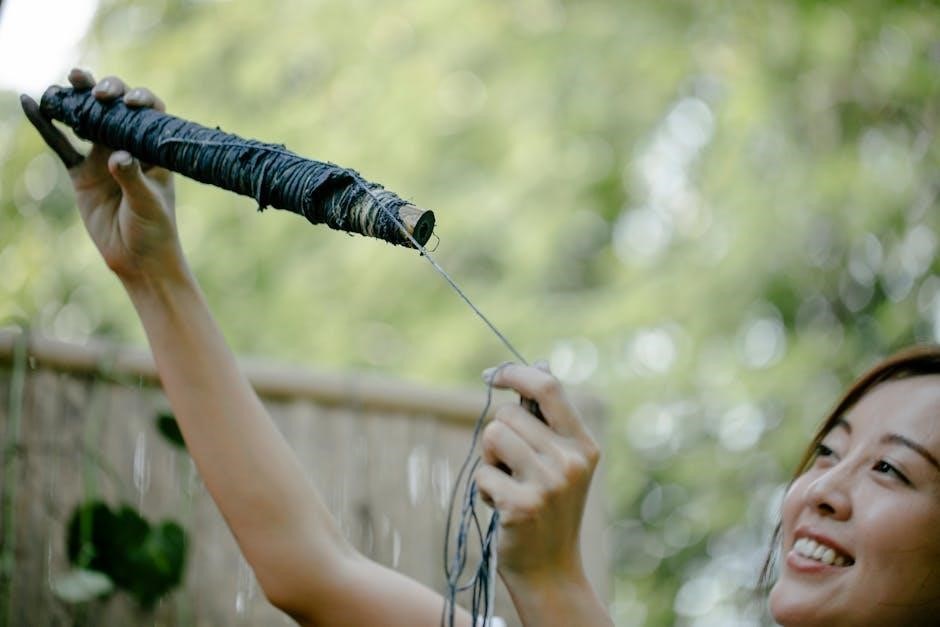
Kumihimo Disks: Types and Sizes
Kumihimo disks are central to the braiding process‚ coming in diverse types to suit different projects. The most common is the 32-slot disk‚ versatile for many braids. 24-slot disks are ideal for thinner cords‚ while larger disks‚ like those with 40 or more slots‚ accommodate complex designs.
Materials vary; foam disks are beginner-friendly and inexpensive. Wooden disks offer durability and a smoother braiding experience; Cardboard disks are a budget option for practice. Disk size dictates braid width and complexity – larger slots allow for more threads and intricate patterns.
Choosing the right disk is crucial when following Kumihimo instructions‚ impacting the final braid’s appearance and ease of creation.
Embroidery Floss vs. Silk Thread
Selecting thread significantly impacts your Kumihimo project’s outcome. Embroidery floss‚ typically cotton‚ is affordable and readily available‚ making it excellent for beginners practicing from Kumihimo instructions. It offers a wide color range but can fray more easily.
Silk thread‚ conversely‚ provides a luxurious sheen and superior strength. While more expensive‚ silk creates smoother‚ more durable braids. It’s preferred for intricate designs and heirloom-quality pieces. The choice depends on budget‚ desired aesthetic‚ and project longevity.
Consider thread weight; thinner threads yield finer braids‚ while thicker threads create bolder textures.
Beads and End Caps for Kumihimo Projects
Enhance your Kumihimo braids with beads and end caps! Beads add texture‚ color‚ and visual interest‚ transforming simple braids into stunning jewelry pieces. Various bead sizes and materials—glass‚ stone‚ or metal—offer diverse design possibilities.
End caps are crucial for finishing bracelets and necklaces. They conceal the knotted ends of the braid‚ providing a clean‚ professional look. Choose end caps that complement your beads and thread color. Crimping pliers secure end caps firmly.
Kumihimo instructions often detail bead placement techniques. Experiment with patterns and spacing to create unique designs!
Basic Kumihimo Braiding Techniques
Mastering fundamental Kumihimo techniques unlocks a world of creative possibilities. These techniques form the foundation for all braid styles‚ requiring patience and consistent tension. Understanding the core movements is vital for successful braiding.
The basic principle involves systematically moving threads around a Kumihimo disk or Marudai. Each movement shifts threads‚ creating the interwoven pattern. Kumihimo instructions often use diagrams to illustrate these steps clearly.
Practice is key! Start with simple braids to build muscle memory and refine your technique. Consistent tension ensures a neat‚ even braid.
Round Braid (Marudai Kumihimo)
Marudai Kumihimo‚ the classic round braid‚ is a cornerstone of this ancient craft. Traditionally created on a Marudai (a specialized braiding stand)‚ it can also be adapted for use with a Kumihimo disk. Kumihimo instructions for this braid emphasize the cyclical movement of threads.
The process involves dividing threads evenly and systematically shifting them between hands or around the disk. This creates a beautifully rounded‚ textured cord; Mastering the basic rotation pattern is crucial for achieving a uniform braid.
Round braids are incredibly versatile‚ perfect for necklaces‚ lanyards‚ and decorative accents. Detailed Kumihimo instructions PDF guides often showcase variations in color and thread combinations.
Square Braid (Hattori Kumihimo)
Hattori Kumihimo‚ known for its distinctive square shape‚ presents a unique challenge and aesthetic. While traditionally requiring a Hattori stand‚ skilled artisans adapt techniques for Kumihimo disks‚ though it demands precision. Kumihimo instructions for this style often highlight the importance of thread count and tension.
The braiding process differs significantly from round braids‚ involving a specific sequence of thread movements to form the square profile. Maintaining consistent tension is paramount to prevent distortion and ensure clean lines.
Square braids are ideal for projects needing structure‚ like bag handles or belts. Many Kumihimo instructions PDF resources offer detailed diagrams and video tutorials to aid in mastering this technique.
Flat Braid (Kongai Kumihimo)
Kongai Kumihimo‚ the flat braid‚ is a versatile technique often used for wider projects like sashes or decorative straps. Unlike round or square braids‚ it’s created on a specialized Kongai dai (stand)‚ though adaptations for disks exist. Kumihimo instructions emphasize the unique warping and weaving process.
The key to a successful flat braid lies in the precise arrangement of threads and the rhythmic movement of the stand or disk. Kumihimo instructions PDF frequently detail the specific thread path and the importance of maintaining even tension across the width.
Flat braids offer a different texture and visual appeal‚ lending themselves well to projects where a broader‚ flatter surface is desired.
Kumihimo Bracelet Patterns ‒ Step-by-Step
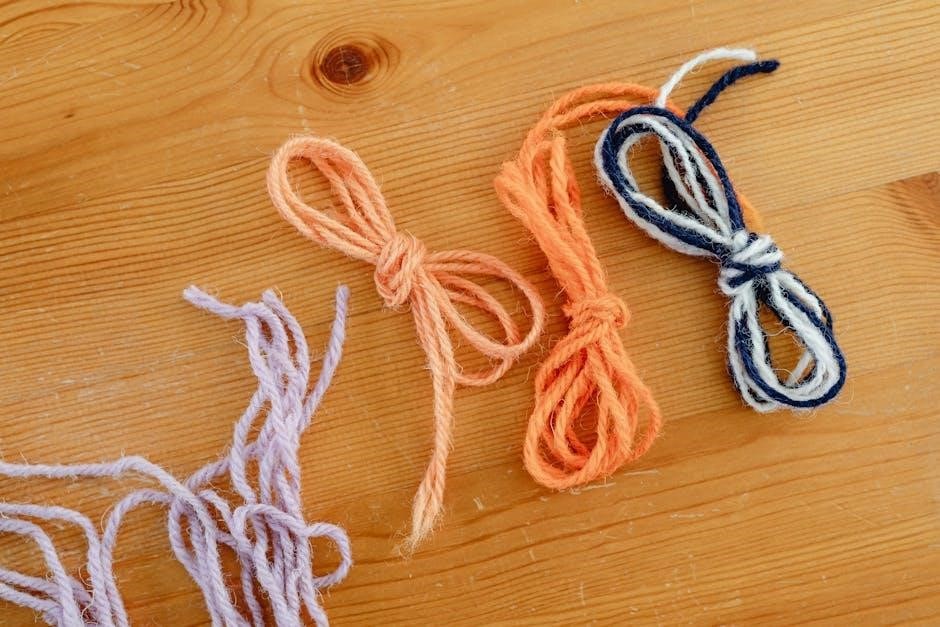
Kumihimo instructions PDF resources often begin with beginner-friendly bracelet patterns. These step-by-step guides typically start with cutting eight strands of embroidery thread‚ knotting them securely‚ and centering the knot on a Kumihimo disk.
Detailed diagrams and clear instructions are crucial for understanding the braiding sequence. Kumihimo instructions emphasize the importance of following the pattern precisely‚ moving threads in a specific order to achieve the desired design.
Simple patterns focus on mastering the basic techniques‚ while more complex designs introduce color changes and bead incorporation.
Simple 8-Strand Kumihimo Bracelet

Kumihimo instructions PDF frequently showcase the 8-strand bracelet as a foundational project. This design utilizes eight equal lengths of embroidery thread – often two strands of four different colors – knotted together;
The process involves securing the knot at the disk’s center and following a repeating braiding sequence. Kumihimo instructions detail how to systematically move threads from one side of the disk to the other‚ creating a spiral pattern.
Consistent tension is key; maintaining even pressure yields a neat‚ uniform braid. Many PDF guides include visual aids to clarify each step‚ ensuring successful completion for beginners.
Kumihimo Bracelet with Beads
Kumihimo instructions PDF often expand upon basic techniques by incorporating beads. These guides demonstrate how to thread beads onto individual strands before beginning the braiding process. The bead size must correspond with the thread thickness for smooth movement across the Kumihimo disk.
Detailed diagrams within the PDFs illustrate precise bead placement during each braiding rotation. This ensures beads are evenly distributed throughout the bracelet. Some instructions suggest using end caps to secure the braid and add clasps.
Advanced patterns may involve varying bead colors and sizes‚ creating intricate designs. Kumihimo instructions emphasize careful planning to achieve the desired aesthetic.
Advanced Kumihimo Bracelet Designs
Kumihimo instructions PDF resources unlock complex bracelet patterns beyond basic braids. These often involve intricate color changes‚ multiple bead types‚ and specialized braiding techniques like layering or combining different braid structures.
Detailed charts and diagrams within these PDFs are crucial for following the sequence of movements on the Kumihimo disk. They illustrate how to manipulate the threads to create specific designs‚ demanding precision and patience.
Advanced tutorials may explore techniques like creating tapered braids or incorporating decorative elements. Kumihimo instructions emphasize understanding the underlying principles to adapt and create unique designs.
Finding Kumihimo Instructions PDF Online
Locating Kumihimo instructions PDF files is readily achievable through various online platforms. Dedicated crafting websites‚ online marketplaces like Etsy‚ and Pinterest boards frequently host downloadable patterns and tutorials in PDF format.
Search engines are invaluable; using specific keywords like “free Kumihimo patterns PDF‚” “advanced Kumihimo braid PDF‚” or “beaded Kumihimo tutorial PDF” refines results. Many designers offer free introductory PDFs to showcase their work.
Ravelry‚ a popular platform for knitters and crocheters‚ also features a section for Kumihimo with numerous user-submitted instructions and PDFs. Always verify the source’s credibility before downloading.
Free Kumihimo Pattern Resources
Numerous online resources offer free Kumihimo instructions PDF downloads for crafters of all skill levels. Websites like YouTube host video tutorials demonstrating basic and complex braiding techniques‚ often with accompanying pattern links. Pinterest is a treasure trove‚ showcasing visual guides and links to free PDF patterns.
Dedicated crafting blogs frequently publish free Kumihimo patterns‚ ranging from simple bracelets to intricate necklaces. Websites specializing in Japanese crafts often provide downloadable instructions. Don’t overlook online forums; members often share their creations and PDF patterns.
Search for “free Kumihimo patterns” to uncover a wealth of options‚ ensuring to check licensing for personal use.
Paid Kumihimo Pattern Collections
For more elaborate designs and professionally curated Kumihimo instructions PDF‚ consider exploring paid pattern collections. Etsy features numerous independent designers offering unique and intricate Kumihimo patterns‚ often available as instant PDF downloads. Ravelry‚ a popular platform for knitters and crocheters‚ also hosts Kumihimo pattern designers.
Specialty craft stores‚ both online and brick-and-mortar‚ frequently sell pattern books and PDF bundles. These collections often include detailed diagrams‚ step-by-step photos‚ and variations on core techniques. Investing in a paid collection can provide access to exclusive designs and expert guidance.
Look for patterns categorized by skill level to ensure a satisfying crafting experience.
Troubleshooting Common Kumihimo Problems
Even with detailed Kumihimo instructions PDF‚ challenges can arise. Thread tangling and knotting are frequent issues; slowing down and ensuring threads aren’t overlapping helps. Maintaining consistent tension is crucial for a neat braid – practice even pulls. If your braid becomes uneven‚ don’t unravel!
Carefully examine the pattern and identify where the tension faltered. Correcting mistakes can be tricky; sometimes‚ gently easing the braid back a few rows allows for adjustment. Kumihimo instructions PDF often include troubleshooting tips‚ but online forums are also valuable resources.
Patience is key; don’t be afraid to start over if needed!
Thread Tangling and Knotting
A common frustration when following Kumihimo instructions PDF is thread tangling and knotting. This often happens when threads aren’t managed properly during the braiding process. To minimize tangles‚ ensure each thread has enough slack and isn’t tightly wound around the disk.
Regularly untwist threads as you work‚ preventing them from becoming overly coiled. If a knot forms‚ resist pulling forcefully! Gently work it loose with a needle or pin‚ avoiding damage to the threads. Many Kumihimo instructions PDF suggest using thread conditioners to reduce friction.
Slowing down your pace can also significantly reduce tangling.
Maintaining Consistent Tension
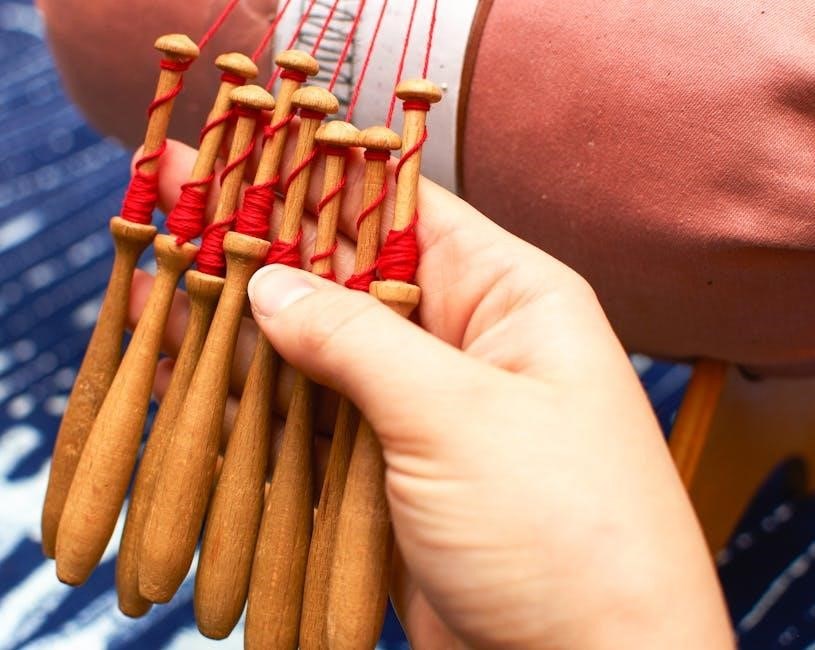
A key element highlighted in most Kumihimo instructions PDF is maintaining consistent tension throughout your braid. Uneven tension leads to a loose‚ distorted final product. Strive for a gentle‚ even pull on each thread as you move it around the disk.
Avoid pulling too tightly‚ which can cause the braid to constrict and become difficult to work with. Conversely‚ too little tension results in a floppy‚ unstructured braid. Practice is crucial to develop a feel for the correct tension.
Refer to diagrams in Kumihimo instructions PDF for visual guidance‚ and don’t hesitate to unravel and restart if tension is significantly off.
Correcting Mistakes in Your Braid
Many Kumihimo instructions PDF acknowledge that mistakes are inevitable‚ especially for beginners. Don’t be discouraged! Identifying the error is the first step. Often‚ a dropped strand or incorrect movement causes the issue.
Most guides suggest carefully unraveling the braid back to the point of the mistake – a tedious but effective method. Use a pin or needle to gently separate threads if they become tangled during unraveling.
Some Kumihimo instructions PDF demonstrate techniques for “hiding” minor errors within the braid‚ but this is best for small imperfections. Practice makes perfect‚ and learning to correct mistakes builds skill and patience.
Kumihimo Beyond Bracelets: Expanding Your Skills
Numerous Kumihimo instructions PDF showcase the versatility of this ancient braiding technique. While bracelets are popular‚ the possibilities extend far beyond! Explore creating elegant necklaces and sophisticated lanyards‚ utilizing varied bead placements and thread combinations.
Many patterns detail crafting charming bookmarks‚ perfect for gifting‚ and durable keychains‚ adding a personal touch to everyday items. Advanced Kumihimo instructions PDF often feature techniques for incorporating more complex designs and materials.
Don’t limit yourself! Experiment with different disk sizes and braiding styles to unlock new creative avenues. The core skills learned from basic patterns readily translate to more ambitious projects.
Kumihimo Necklaces and Lanyards
Kumihimo instructions PDF frequently include patterns for stunning necklaces and practical lanyards. Adapting bracelet techniques‚ these projects require longer braids and thoughtful end finishing. Explore designs incorporating beads‚ creating focal points and adding weight to necklaces.
Lanyards benefit from durable thread choices‚ like silk or nylon‚ ensuring longevity with daily use. Detailed Kumihimo instructions PDF guide you through attaching clasps‚ rings‚ and other hardware securely.

Experiment with color gradients and braid structures to achieve unique aesthetics. Consider varying thread thickness for textural interest. These projects demonstrate Kumihimo’s adaptability beyond wristwear!
Kumihimo Bookmarks and Keychains
Kumihimo instructions PDF often showcase charming‚ smaller projects like bookmarks and keychains – perfect for beginners! These utilize the same braiding techniques as bracelets‚ but with shorter thread lengths and quicker completion times. Explore patterns designed specifically for these items‚ often featuring simple square or flat braids.
Bookmarks benefit from sturdy threads to withstand page turning‚ while keychains require robust attachment points for key rings. Detailed Kumihimo instructions PDF will illustrate secure end-knotting and hardware integration.
Experiment with color combinations and bead embellishments to personalize your creations. These projects are excellent for using up thread scraps!